


Books & the Arts
/
January 20, 2026
What are the politics of free speech?
A new history explores the political limits as well as possibilities of freedom of speech.
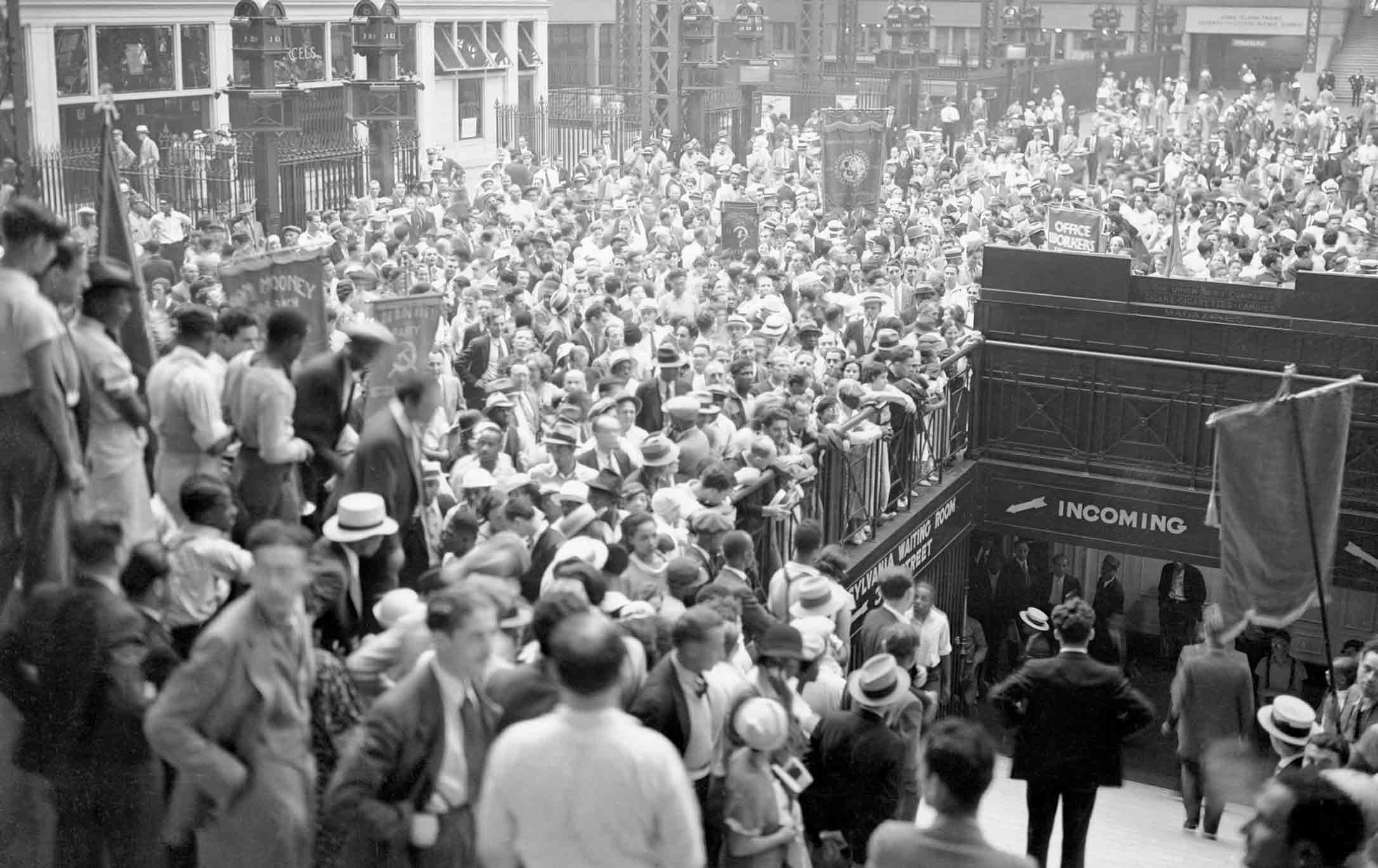
Angelo Herndon, whose conviction for a crime related to free speech was overturned in 1935, arrives at NYC’s Penn Station.
(Getty)
The subtitle of Fara Dabhoiwala’s ambitious new book, What Is Free Speech? The History of a Dangerous Idea, raises a question: In what sense is free speech “dangerous”? For autocrats, to be sure, free speech is perilous. It enables subjects to criticize their authority, associate with like-minded others to build an opposition, protest in the streets, and advocate for regime change. For adherents of the status quo, free speech is threatening because it permits critics to press for change. For those with power, it is disturbing because it empowers those without. For religious fundamentalists, it is risky because it protects the right to question orthodoxy. In all these senses, free speech is indeed a dangerous idea—and, for all the same reasons, an essential right.
Books in review
What Is Free Speech? The History of a Dangerous Idea
Buy this book
But for Dabhoiwala, what is most dangerous about free speech is that, at least in the United States, it is too free. Speech, he argues in his wide-ranging intellectual history of the idea, can hurt people, enable disinformation and lies, serve greed, appeal to our basest instincts, and shore up the powerful. Spanning many centuries and multiple continents, What Is Free Speech? offers a revisionist history of freedom of speech, demonstrating that, too often, it has been only partially realized. But his book is also a deeply polemical work, one driven by his concern about what he views as the dangers of free speech to progressive interests, especially in the United States.
In Dabhoiwala’s account, the First Amendment ignores the harms that speech inflicts. It affords the wealthy disproportionate ability to shape public debate. It protects hate speech, which denies equal status to members of minority groups. It privileges individualist notions of liberty over the collective good. It is dangerous, in other words, not for the threat it poses to power, but for the harms it inflicts on the vulnerable. There is undoubtedly some truth to these criticisms. Free speech can be abused and can inflict real harm. Social media is rife with false and misleading “facts.” And billionaires like Elon Musk and George Soros have far greater ability to exercise their speech rights than the rest of us. But Dabhoiwala’s critique of free speech in the United States too often attacks a straw man. It describes the First Amendment as “absolutist” when it is not and it hardly reckons with the abuses that reduced protections of free speech could facilitate when power falls into the wrong hands. That is the real danger, and it’s one that the Trump administration illustrates daily as it leverages purported concerns about discrimination, disinformation, and violence to target the speech of its critics, from pro-Palestinian activists to the press, universities, the legal profession, and nonprofit groups.
Dabhoiwala begins his narrative with a detailed history of the world before free speech existed, an important reminder that for much of human existence, those in power viewed speech as a threat, not a right, and there was little to stop them from suppressing the speech they opposed.
People could be (and were) prosecuted, imprisoned, and even executed for criticizing their governors or otherwise departing from the reigning orthodoxy. It was not until 1766 that the first law protecting free speech was enacted—and that was in Scandinavia.
When the right of free speech did begin to take root, Dabhoiwala notes, it was anything but free speech for all. Like many other rights, the freedom of speech was initially limited to political elites and often denied to women and members of minority groups.
Current Issue
This history is a useful corrective and indeed underscores the essential importance of robustly protecting free speech. Yet Dabhoiwala’s ambition to revise triumphalist accounts of free speech leads him not only to draw different lessons but also to treat the personal flaws and limitations of free-speech advocates as if they necessarily undermine the idea of free speech itself.
Take, for example, his discussion of a series of essays known as Cato’s Letters, written between 1720 and 1723 by Thomas Gordon and John Trenchard, two London journalists. Cato’s Letters are, Dabhoiwala contends, the first sustained argument for a secular idea of free speech as a political right, and he helpfully situates the Letters within the technological developments and political struggles of the time, including the emergence of the printing press and the demise of prepublication government censorship. But he also dismisses the letters as a “self-serving tissue of deliberate fabrications, glaring contradictions and willful omissions.”
Cato’s Letters were self-serving, Dabhoiwala argues, because they were written by journalists who made the case for the protection of the press. This self-interested nature is revealed also by the fact that one of the authors, Thomas Gordon, was considerably less protective of speech after he began working for the government.
But many advocates for rights act at least in part out of self-interest. That hardly compromised the efforts of, say, Frederick Douglass, Elizabeth Cady Stanton, Thurgood Marshall, Cesar Chavez, or Ruth Bader Ginsburg. And the fact that Gordon took a different position when serving in government than when speaking as a journalist is neither surprising nor discrediting of the ideas he advanced, which deserve to be judged on their merits.
To similar effect, Dabhoiwala condemns the Letters as sexist because they emphasize the role of speech in public debate at a time when women were, for the most part, excluded from the public domain—even though nothing in the Letters suggests they should be. And he brands the Letters racist because the authors “were personally connected to slave ownership in the Americas.” (Neither owned slaves, but Dabhoiwala notes that Trenchard invested in a company engaged in the slave trade and that two of Gordon’s children moved to Jamaica, a hub for the slave trade.) But again, those unfortunate if not unusual facts of the time do not diminish, on its merits, the argument that Cato’s Letters makes.
Dabhoiwala is not wrong to observe the limited scope of speech rights at their inception. That women and enslaved people were excluded from the public sphere or otherwise denied the right does not, however, negate the intrinsic value of free speech, any more than the fact that women were not originally protected by the Constitution’s equal-protection clause or that women and African Americans were denied the vote negates the value of equality or the franchise. The answer to illegitimately limited speech rights is not to condemn those rights, but to extend them equally to all. Which is precisely what eventually happened—through the demands, asserted through speech, of those initially excluded.
When Dabhoiwala does turn to the merits of the Letters’ argument, he deems its case for free speech “profoundly flawed” because it downplays the harms that speech can inflict on others. Yet the Letters expressly limit free speech to “the right of every man, as far as by it he does not hurt or control the right of another.”
John Stuart Mill, the author of another foundational document in the free-speech canon, receives similar treatment. As an agent of the East India Trading Company, Dabhoiwala notes, Mill was unwilling to extend free-speech protections to Indians. Dabhoiwala is not wrong that Mill was a hypocrite in his role as an employee of the trading company. But it’s not clear what effect, if any, that should have on the merits of the argument he advanced on behalf of free speech in his book On Liberty.
As we move across the ocean to the United States, Dabhoiwala turns to the First Amendment. Here, his critical account of its history rests largely on the claim that American free-speech protections are “absolutist.” He notes that the First Amendment states that “Congress shall make no law abridging the freedom of speech.” But the Constitution’s speech protections have never barred all regulation of speech. Indeed, for most of its first 100 years of existence, the First Amendment prohibited little more than “prior restraints” of speech, namely requirements that works be approved by the government before being published. And even under its more expansive current interpretations, whole categories of speech are unprotected.
Pursuing this absolutist theme, Dabhoiwala also argues that the American conception of free speech generally ignores the harm that free speech can sometimes inflict. But First Amendment doctrine has taken harm into account. It denies protection to many categories of speech precisely because of the harms they cause: libel, incitement, fighting words, true threats, obscenity, child pornography, and speech integral to criminal conduct. It allows the government to prohibit commercial advertising if it is false, misleading, or proposes an illegal transaction, again because of the harms such speech can cause. Even where speech is otherwise fully protected, the government can regulate it where necessary to avoid harms to compelling public interests, including the right to vote, national security, foreign relations, and equality. So much for absolutism.
Dabhoiwala also criticizes the First Amendment for treating speech as distinct from conduct. In his view, speech is action, and to ignore that fact is to ignore the harms it inflicts. But all concepts of free speech properly rest on the recognition that there are in fact important differences between engaging in conduct and talking about it: Prohibiting murder and prohibiting a novel about murder are two very different things. And there is no logical inconsistency between acknowledging that regulating speech and conduct are different and acknowledging that speech can sometimes cause harm. The First Amendment, for example, allows suits for the injury that defamation inflicts. But because criticizing a government official is different from assaulting him, the First Amendment also limits the tort of libel in ways that it does not limit laws protecting officials from physical attack.
Speech, Dabhoiwala complains, can be “perpetually manipulated by the powerful, the malicious and the self-interested—for personal gain, to silence others, to sow dissension or to subvert the truth.” This is doubtless true. But free speech, he grudgingly acknowledges, has also been used by the well-intentioned, the altruistic, and the vulnerable to advocate for social justice and truth. One can’t protect the latter without the risk of the former—by necessity, free speech belongs to everyone, not just those whose views or motives we like. The right to promote vaccination also protects the right to question its risks. Free speech doesn’t take sides, but that’s a feature, not a bug.
At bottom, Dabhoiwala laments the fact that freedom of speech weighs individual freedom over the collective good. That is indeed true, but again, that is something to praise, not condemn. The point of free speech is to help us determine just what our vision of the common good is. It empowers people to dissent from, challenge, and seek to change prevailing visions and to urge alternatives. For a long time, after all, the “common good” in this country included slavery, denial of the franchise to women, and criminal punishment of sexual relations between people of the same sex. It was largely through activists’ exercise of free-speech rights that those visions were altered.
Popular
“swipe left below to view more authors”Swipe →
What Is Free Speech? seeks to tell the story of freedom of speech rather than offer a comprehensive philosophy of the right, and on those terms its revisionist history contributes to a more nuanced understanding of the development of free speech in the modern world, warts and all. But the book’s more polemical ambitions end up getting in the way. Dabhoiwala opens the book by blaming free speech for the 2016 election of Donald Trump, “a man who appeared to have catapulted himself into the most powerful office in the world mainly by broadcasting outrageous and hateful lies to tens of millions of people on social media.” True enough. But free speech also made possible the elections of Joe Biden in 2020, Barack Obama in 2008 and 2012, and indeed every president before that.
Free speech is the lifeblood of democracy; it’s how “we the people” shape our common destiny, hold government accountable, and advocate for change. It does not guarantee good results, but it is an essential attribute of a democratic society—and the single most important tool we have today in fighting back against Trump’s abuses. If the people send him a message with a midterm defeat for Republican candidates, that, too, will be a result of free speech.
More broadly, every expansion of freedom and equality in the United States has been fomented through public advocacy and organized political action—including the abolition of slavery, the provision of suffrage to women, the disestablishment of Jim Crow, the protection of workers, the expansion of civil rights, and the promotion of equal dignity for LGBTQ individuals. If that’s dangerous, then I say let’s be thankful for the danger.
More from The Nation
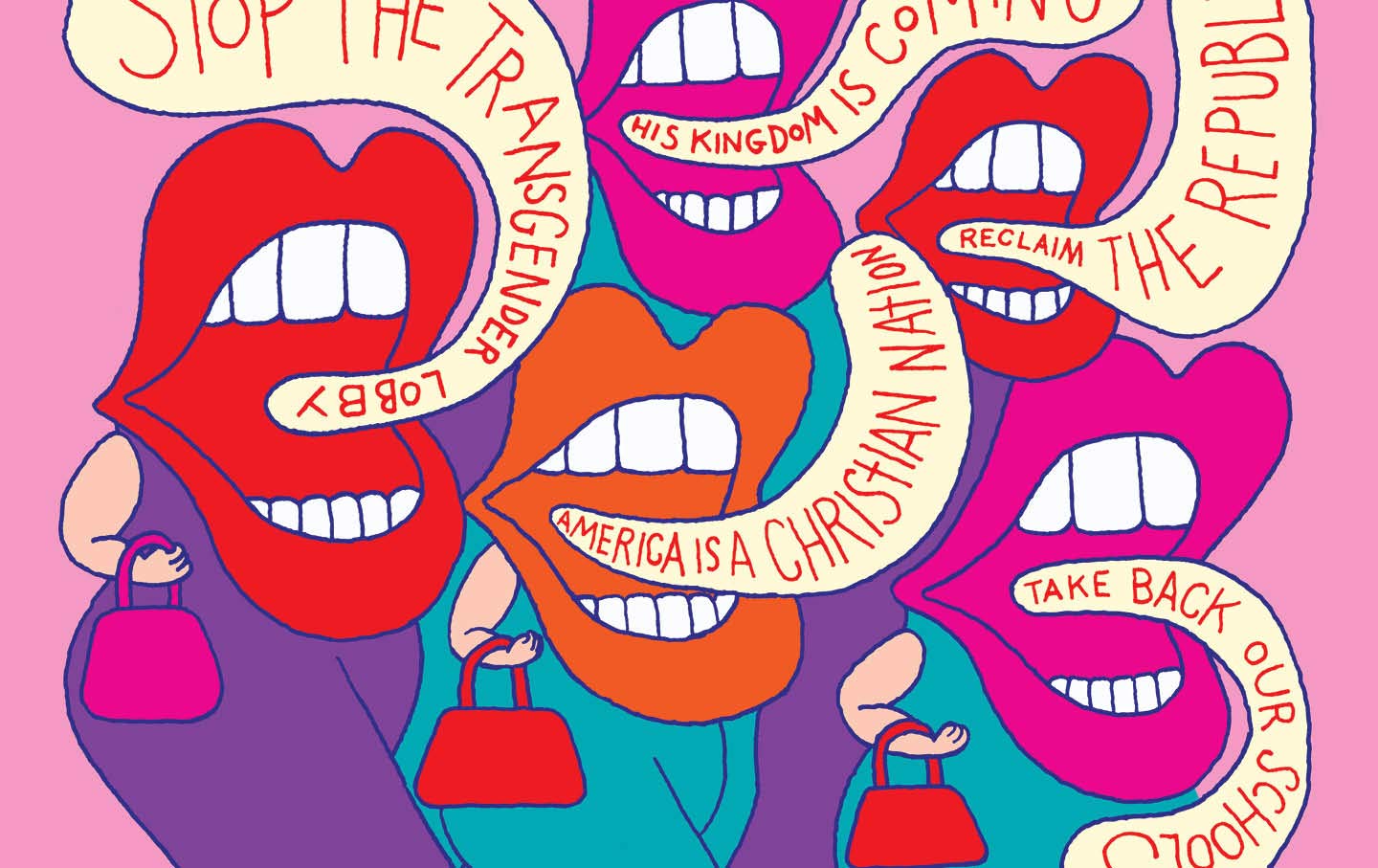
Parents’-rights crusaders seeking to impose their Christian nationalist vision on the United States took their playbook from South America.
Feature
/
Elle Hardy

The white college student supported Black voters in segregated Alabama, and began documenting the front lines of the voting rights fight, which locals continue to disregard.
Q&A
/
Alexandra Marvar

An abundance of plastic surgery is not a net good. But discussions over its morality would be better off viewing it less as unfettered desire and more as self-determination.
Grace Byron
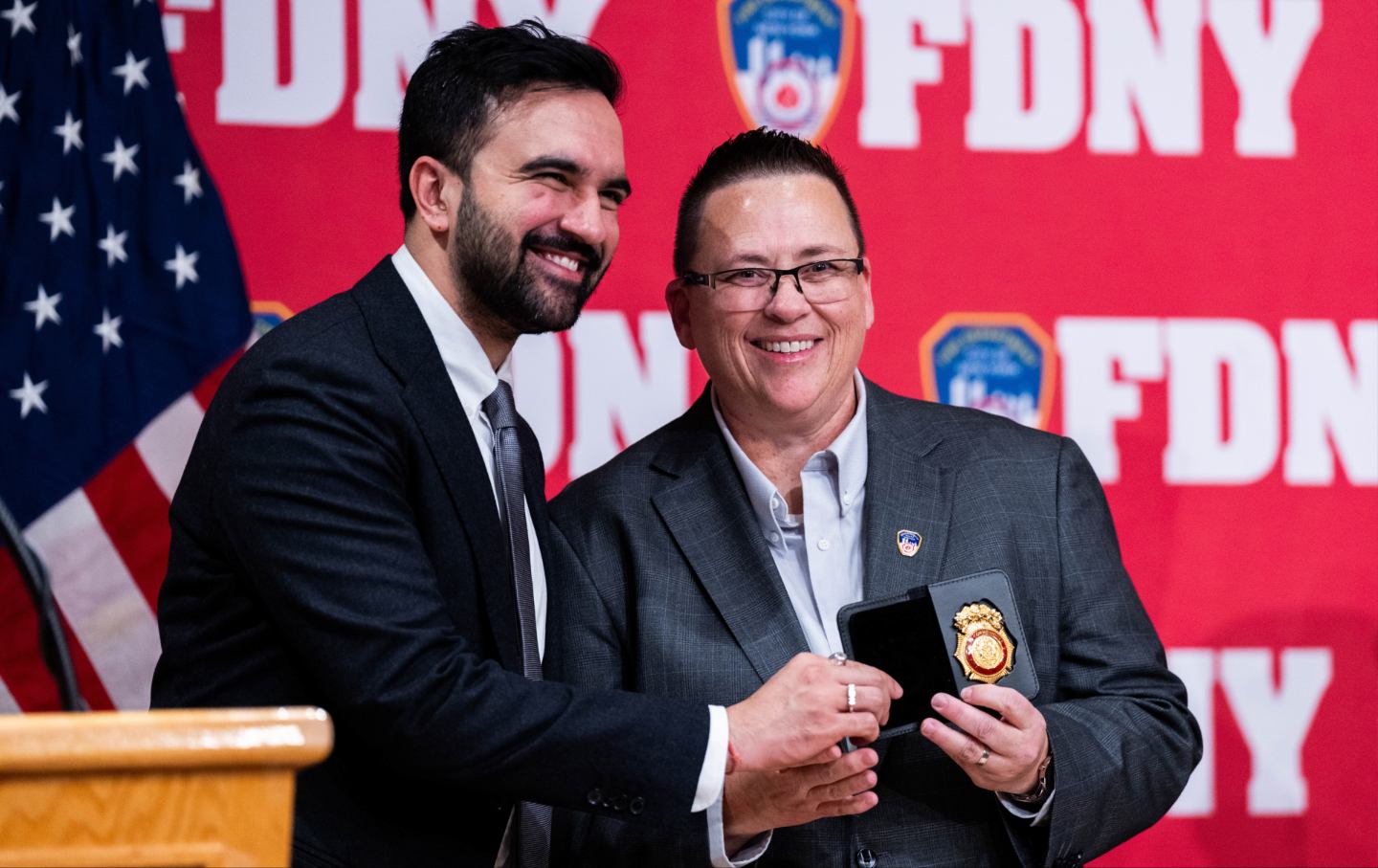
Musk’s attack on the new FDNY commissioner proves he knows nothing about how modern fire departments work.
Laura Kavanagh
Young people are facing a mental health crisis. This group of Cincinnati teens thinks they know how to solve it.
Feature
/
Dani McClain
After taking countless lives around the world, RFK Jr. and his ghoulish compatriots want American children to suffer too.
Gregg Gonsalves